AI Bubble Fears and Policy Divisions Impacting Asian Stock Markets in 2026
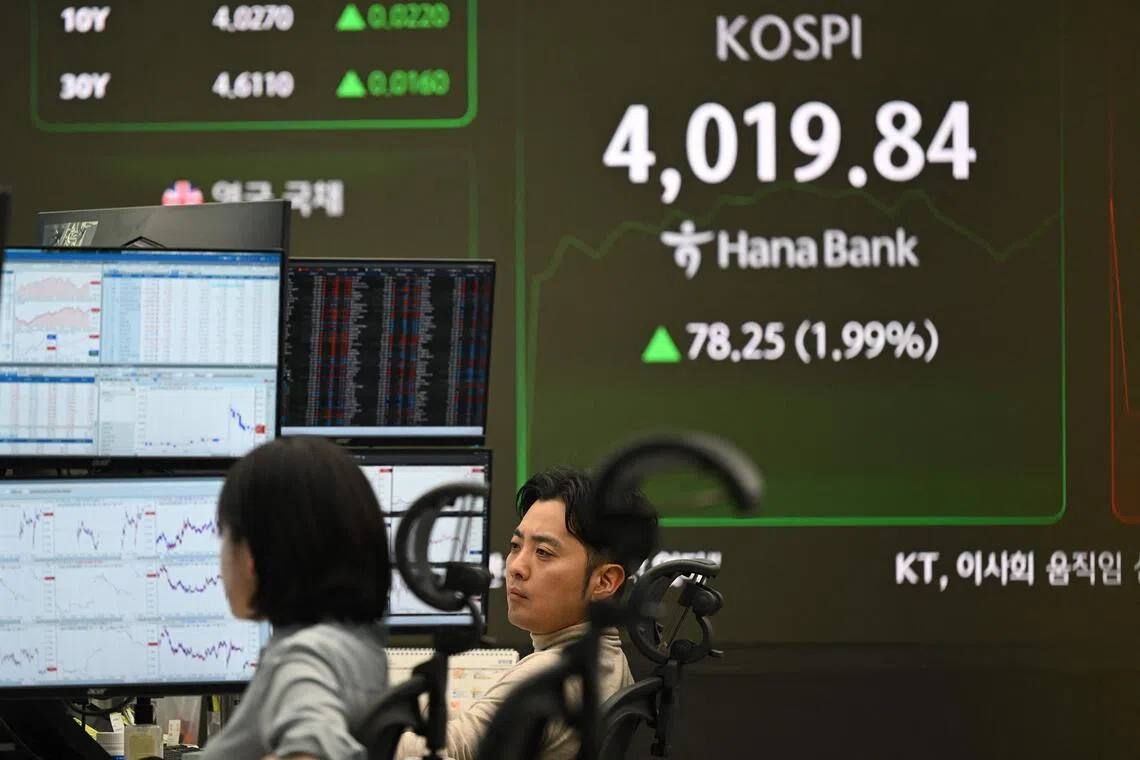
As 2026 unfolds, concerns surrounding an artificial intelligence bubble and divergent policy responses are creating volatility in Asian stock markets. Investors are navigating a landscape marked by regulatory uncertainties and shifting economic strategies across the region.
Introduction
As we move deeper into 2026, the Asian stock markets are facing significant challenges stemming from fears of an artificial intelligence (AI) bubble and a growing divide in policy responses among regional economies. The rapid advancements in AI technologies have sparked both optimism and anxiety among investors, leading to fluctuating market conditions that are being closely monitored by analysts and policymakers alike.
AI Bubble Concerns
The AI sector has witnessed unprecedented growth over the past few years, with companies racing to develop and implement AI solutions across various industries. However, this meteoric rise has raised alarms about the sustainability of such growth. Many analysts are warning that the current valuation levels of AI companies may not be justified by their actual earnings potential, leading to fears of a potential bubble.
In particular, the tech-heavy indices in countries like Taiwan and Hong Kong have shown signs of strain, as investors reassess their positions in AI-related stocks. The Straits Times reported that the market is experiencing increased volatility, with some stocks facing sharp declines as skepticism grows regarding their long-term viability.
Policy Divisions Across Asia
Compounding the issue of AI bubble fears is the divergence in policy responses among Asian nations. Countries like China and Japan are taking markedly different approaches to AI regulation and investment, creating a patchwork of regulations that complicate the investment landscape.
In Mainland China, the government has been proactive in establishing guidelines for AI development, emphasizing the importance of ethical considerations and data privacy. This regulatory framework aims to foster innovation while mitigating risks associated with unchecked AI growth. However, the strict regulations have also led to concerns among investors about the potential for stifling creativity and competition.
Conversely, Japan has adopted a more laissez-faire approach, encouraging private sector investment in AI without imposing heavy regulations. This strategy has attracted significant capital into the Japanese tech market, but it has also raised concerns about the potential for a lack of oversight, which could lead to ethical dilemmas and market instability.
Investor Sentiment and Market Reactions
Investor sentiment in the region has become increasingly cautious, with many opting to adopt a wait-and-see approach. The volatility in stock prices has prompted some investors to diversify their portfolios, seeking safer assets in response to the uncertainty surrounding AI valuations and regulatory environments.
Market analysts suggest that the key to navigating these turbulent waters lies in understanding the underlying fundamentals of AI companies. Investors are being advised to focus on companies with strong balance sheets, sustainable business models, and clear pathways to profitability, rather than getting swept up in the hype surrounding AI technologies.
The Road Ahead
Looking forward, the future of Asian stock markets will largely depend on how governments and regulators address the challenges posed by the rapid evolution of AI. A collaborative approach that balances innovation with responsible regulation may be necessary to foster a stable investment environment.
Moreover, as the global economy continues to grapple with the implications of AI, the need for international cooperation and dialogue among policymakers will be crucial. Establishing common standards and practices could help mitigate risks and promote sustainable growth in the AI sector across Asia.
Conclusion
As 2026 progresses, the interplay between AI bubble fears and policy divisions will remain a focal point for investors in Asian stock markets. The ability to adapt to these evolving dynamics will be essential for navigating the complexities of this rapidly changing landscape.