AI Bubble Fears and Policy Divides Challenge Asia's Stock Markets in 2026
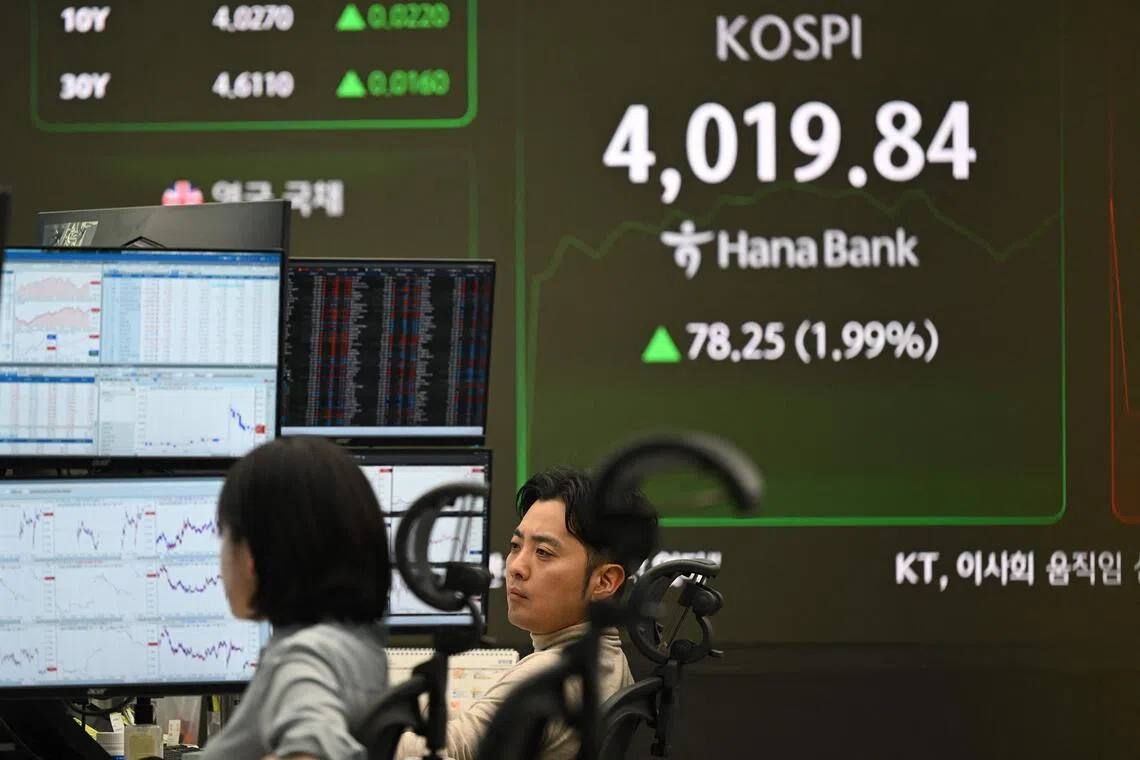
As concerns over an artificial intelligence bubble grow, Asian stock markets are facing significant volatility. Diverging policies across the region are further complicating the investment landscape, prompting investors to reassess their strategies.
AI Bubble Concerns Emerge
As we move into 2026, the specter of an artificial intelligence (AI) bubble looms large over Asian stock markets, raising alarms among investors and analysts alike. The rapid advancements in AI technology have led to soaring valuations in tech stocks, but many experts warn that the market may be inflating beyond sustainable levels.
Volatility in Asian Markets
Asian stock markets have experienced significant volatility in recent months, with fluctuations driven by a mix of investor sentiment and macroeconomic factors. In particular, the tech sector, which has been a major driver of growth in the region, is now facing scrutiny as investors question the long-term viability of AI-driven companies.
Diverging Policies Across Asia
Compounding the uncertainty in the markets are the diverging policies of Asian governments regarding AI regulation and investment. Countries like Japan and South Korea are pushing forward with aggressive AI initiatives, aiming to position themselves as global leaders in the technology. In contrast, China has adopted a more cautious approach, emphasizing regulatory oversight and ethical considerations in AI development.
Investor Sentiment and Market Reactions
The contrasting regulatory environments have led to mixed investor sentiment across the region. In Japan, the Nikkei 225 has seen a surge in tech stocks, with companies like SoftBank and Sony reporting strong earnings linked to their AI ventures. Conversely, in China, the Shanghai Composite Index has struggled, with tech stocks facing pressure from government crackdowns and stricter regulations.
Global Implications of Regional Trends
These trends in Asia are not occurring in isolation; they are part of a broader global narrative regarding the future of AI and its impact on economies. As the United States and Europe also grapple with the implications of AI, investors are increasingly looking to Asia as a bellwether for future trends. The interconnectedness of global markets means that shifts in Asia can have far-reaching consequences for investors worldwide.
Future Outlook for Investors
Looking ahead, investors are urged to proceed with caution. While the potential for growth in AI remains significant, the risks associated with a potential bubble and regulatory uncertainties cannot be overlooked. Analysts recommend a diversified investment strategy that includes exposure to both established players and emerging startups in the AI space, while also considering the broader economic indicators that could impact market performance.
Conclusion
As 2026 unfolds, the interplay between AI advancements, market volatility, and policy differences will continue to shape the investment landscape in Asia. Investors must remain vigilant, adapting their strategies to navigate the complexities of this rapidly evolving sector while keeping an eye on the potential for both opportunities and pitfalls.