A Better Tomorrow: The Enduring Legacy of Hong Kong Cinema
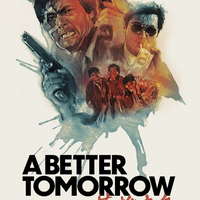
The iconic film 'A Better Tomorrow' continues to inspire filmmakers and audiences alike, bridging cultural gaps from Hong Kong to Hollywood. Its themes of brotherhood, sacrifice, and redemption resonate even today, showcasing the lasting impact of Hong Kong cinema on global storytelling.
Introduction
In the realm of cinema, few films have left as indelible a mark as Hong Kong's 'A Better Tomorrow.' Released in 1986, this action-packed drama not only revolutionized the Hong Kong film industry but also paved the way for a new genre that would capture the hearts of audiences worldwide. As we delve into the film's legacy, it becomes clear that its themes of loyalty, sacrifice, and redemption continue to resonate in today's cultural landscape.
The Cultural Impact of A Better Tomorrow
'A Better Tomorrow' is often credited with redefining the action genre in Hong Kong cinema. Directed by John Woo and starring iconic actors like Chow Yun-fat and Leslie Cheung, the film tells the story of two brothers on opposite sides of the law, exploring the complexities of familial loyalty and moral ambiguity. This narrative struck a chord with viewers, establishing a template for future films that would blend action with deep emotional storytelling.
The film's influence extends beyond its immediate success; it has inspired countless filmmakers around the globe. The stylistic elements introduced by Woo, such as slow-motion gunfights and the use of dual protagonists, have been adopted by Hollywood and beyond, illustrating the film's role as a cultural bridge between East and West. Today, filmmakers cite 'A Better Tomorrow' as a significant influence on their work, showcasing its lasting impact on global cinema.
Reviving the Legacy
As the film celebrates its anniversary, discussions surrounding its legacy have gained momentum. Film festivals and retrospectives are showcasing 'A Better Tomorrow,' allowing new generations to experience its groundbreaking storytelling and cinematic techniques. These events serve not only as a tribute to the film but also as a reminder of the rich history of Hong Kong cinema, which has often been overshadowed by its Hollywood counterpart.
Moreover, the film's themes remain relevant in today's society. The exploration of brotherhood and the moral dilemmas faced by its characters resonate with contemporary audiences, prompting discussions about loyalty and sacrifice in an increasingly complex world. In an age where individualism often prevails, the film's emphasis on familial bonds and collective identity serves as a poignant reminder of the values that unite us.
Global Recognition and Influence
Internationally, 'A Better Tomorrow' has garnered a cult following, with screenings and discussions taking place in various countries. The film's success has led to remakes and adaptations, further solidifying its status as a classic. The influence of Hong Kong cinema, particularly through films like 'A Better Tomorrow,' has opened doors for Asian filmmakers in the global market, encouraging a more diverse representation of stories and voices.
In Hollywood, the impact of 'A Better Tomorrow' can be seen in the works of directors like Quentin Tarantino and the Wachowskis, who have incorporated elements of Hong Kong action into their films. This cross-pollination of ideas has enriched the cinematic landscape, allowing for a fusion of styles that continues to captivate audiences around the world.
Conclusion
'A Better Tomorrow' stands as a testament to the power of storytelling and the ability of cinema to transcend cultural boundaries. As we celebrate its legacy, we recognize the film not just as a landmark in Hong Kong cinema, but as a cultural phenomenon that continues to inspire and galvanize filmmakers and audiences alike. Its enduring themes of brotherhood, sacrifice, and the quest for redemption remind us that, despite the passage of time, the stories we tell remain vital and relevant.